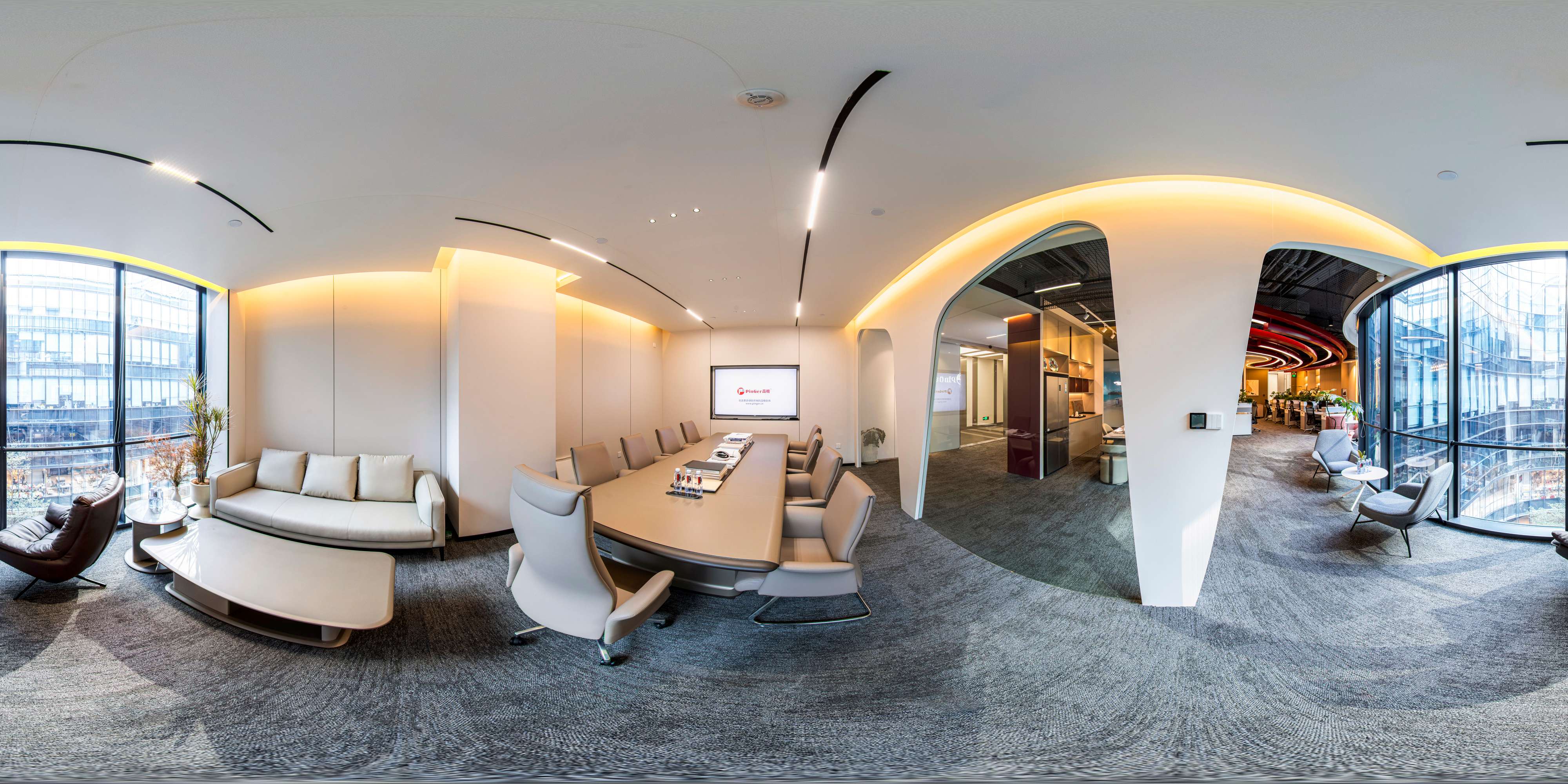
Senior living facilities need more than attractive interiors. They need spaces where older adults can move around comfortably, maintain their independence, and feel at home. From nursing home corridors to assisted living bedrooms and shared dining areas, every design detail can influence how residents experience their surroundings.
One often overlooked detail is wall protection. In senior care environments, walls are exposed to frequent contact from wheelchairs, walkers, mobility aids, furniture, and service carts. At the same time, residents may rely on nearby support features when moving through the building. A well-planned senior living wall protection system helps address these practical needs while keeping the interior clean, welcoming, and visually consistent.
PinGer provides wall protection solutions for healthcare and senior care environments, including vinyl wall panels, handrails, wall guards, and corner guards. These products give architects, contractors, and facility operators more options when designing safer and easier-to-maintain care spaces.
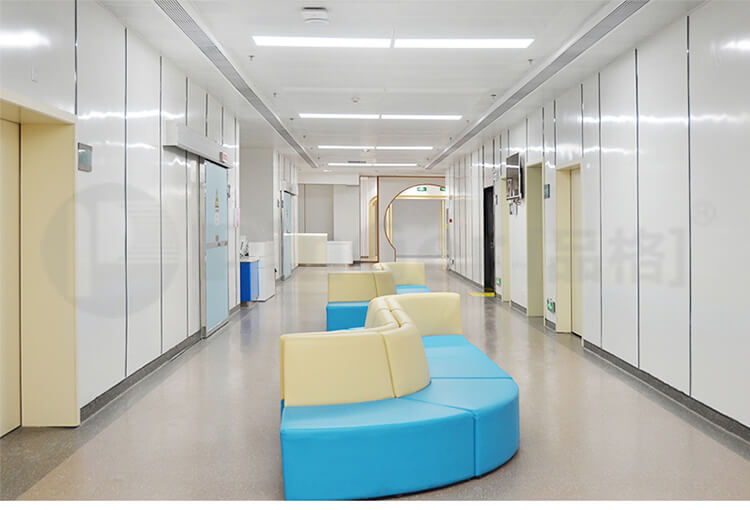
Older adults may use wheelchairs, walkers, canes, or other mobility equipment throughout the day. These devices can easily leave marks, scratches, and dents on corridor walls, especially around doorways, room entrances, and turning points.
Damaged walls are not just an appearance issue. Repeated repairs can increase maintenance costs and interrupt normal facility operations. Exposed or deteriorating wall surfaces can also make routine cleaning more difficult.
Wall protection addresses these everyday challenges in several ways:
Wall protection does not replace fall-prevention measures or accessible building design. It works as one part of a broader strategy that considers mobility, visibility, circulation, and everyday comfort.
Not every wall in a senior living facility experiences the same level of use. Selecting products according to the function of each space is generally more practical than installing the same protection system throughout the entire building.
Corridors and hallways
Corridors are among the busiest areas in nursing homes and assisted living facilities. Residents, caregivers, visitors, and maintenance staff use these spaces throughout the day. Wheelchairs and mobility equipment can repeatedly come into contact with the walls.
Wall guards and handrail systems are worth considering in these areas. They help protect wall surfaces from impact, while appropriately selected handrails provide a stable gripping surface for residents who need support when walking.
Resident bedrooms
Bedrooms should feel personal and comfortable rather than clinical. However, the walls around beds, doorways, and furniture may still be exposed to repeated contact from mobility aids and care equipment.
Decorative vinyl wall panels can provide a practical surface while allowing designers to use soft colors, subtle textures, and wood-look finishes. The goal is to protect the room without compromising its residential atmosphere.
Dining rooms and common areas
Shared spaces often experience frequent movement of chairs, tables, wheelchairs, and serving carts. Chair rails and lower wall protection can help reduce damage in these high-contact areas.
Bathrooms and assisted bathing areas
Bathrooms require particular attention because residents may need additional support when sitting, standing, or transferring. Properly specified grab bars and compatible wall protection accessories can help create a more functional environment. Product selection and installation should follow applicable accessibility and building requirements.
A complete senior care wall protection solution usually involves several product types. Each serves a different purpose, and combining them can provide more consistent protection throughout the facility.
Vinyl wall protection panels
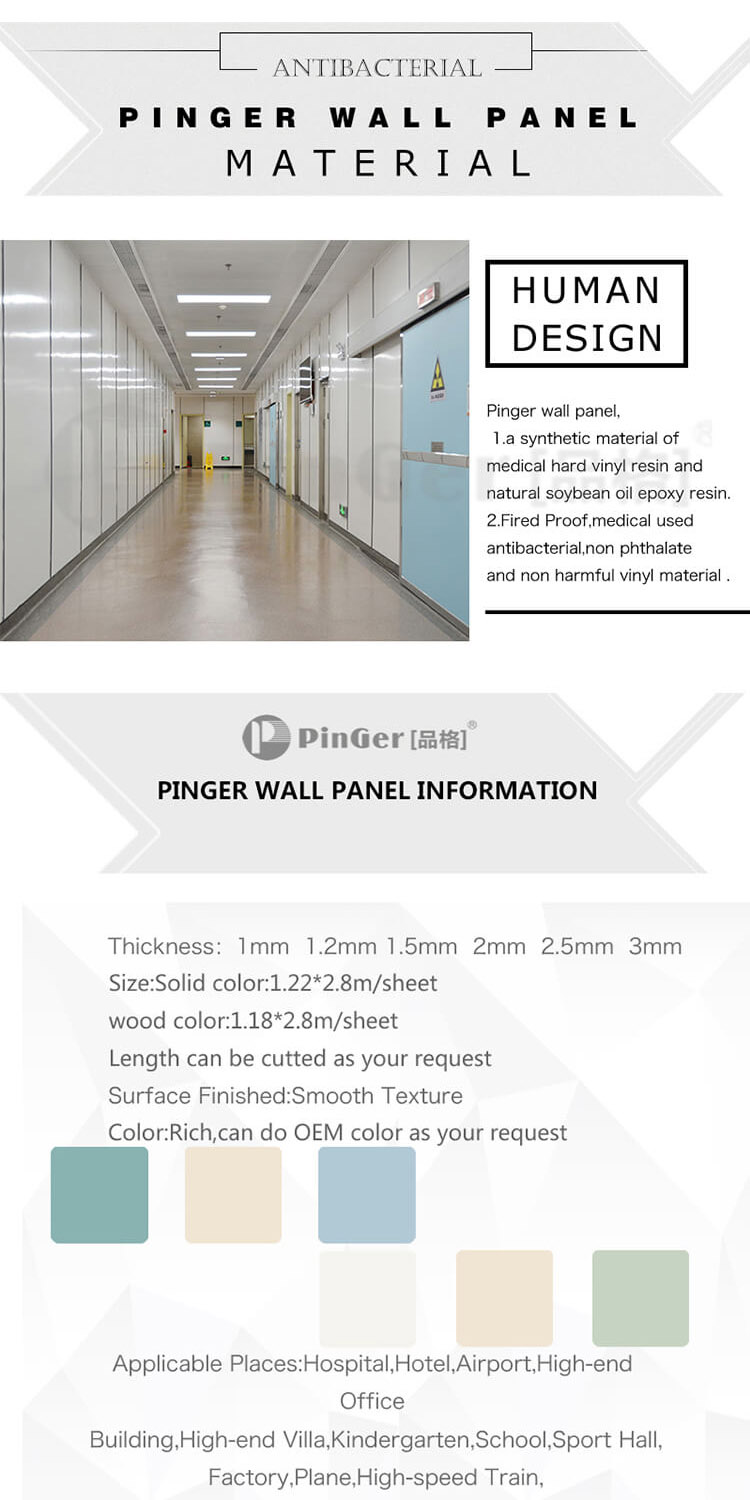
Rigid vinyl wall panels are suitable for corridors, resident rooms, nursing stations, and other areas where wall surfaces need additional protection. They help resist everyday impact and surface wear while providing a finish that can be cleaned as part of routine facility maintenance.
PinGer offers rigid vinyl wall protection in different thicknesses, colors, textures, and sheet sizes. The product range includes options with PVC-free, BPA-free, PBT-free, and phthalate/DEHP-free specifications. Buyers should confirm the exact material composition and relevant test documentation for their selected product.
Explore PinGer Rigid Vinyl Wall Protection Panels for more product specifications and available finishes.
Wall handrails
Handrails are an important consideration in corridors, transition areas, and other walking routes used by residents. They provide a gripping surface that can assist people with limited mobility as they move between different areas.
For senior living projects, designers should consider grip comfort, mounting height, hand clearance, bracket spacing, and compatibility with the wall construction. The handrail must be securely fixed to an appropriate structural backing and installed according to applicable accessibility standards.
PinGer offers different handrail designs and material combinations, including stainless steel, vinyl, aluminum, and solid wood grip options. These choices make it easier to coordinate functional features with the overall interior design.
View the PinGer Handrails System for available configurations.
Wall guards and crash rails
Wall guards are particularly useful in corridors, wheelchair routes, and areas where furniture or equipment regularly moves close to the wall. They help absorb or distribute impact and reduce direct damage to the wall surface.
For example, PinGer's WG1523 interior wall guard uses a 2mm vinyl cover and a 2mm aluminum retainer, with a standard length of 5 meters and a width of 152mm. It is designed to protect walls from impacts caused by carts, luggage, and wheelchairs.
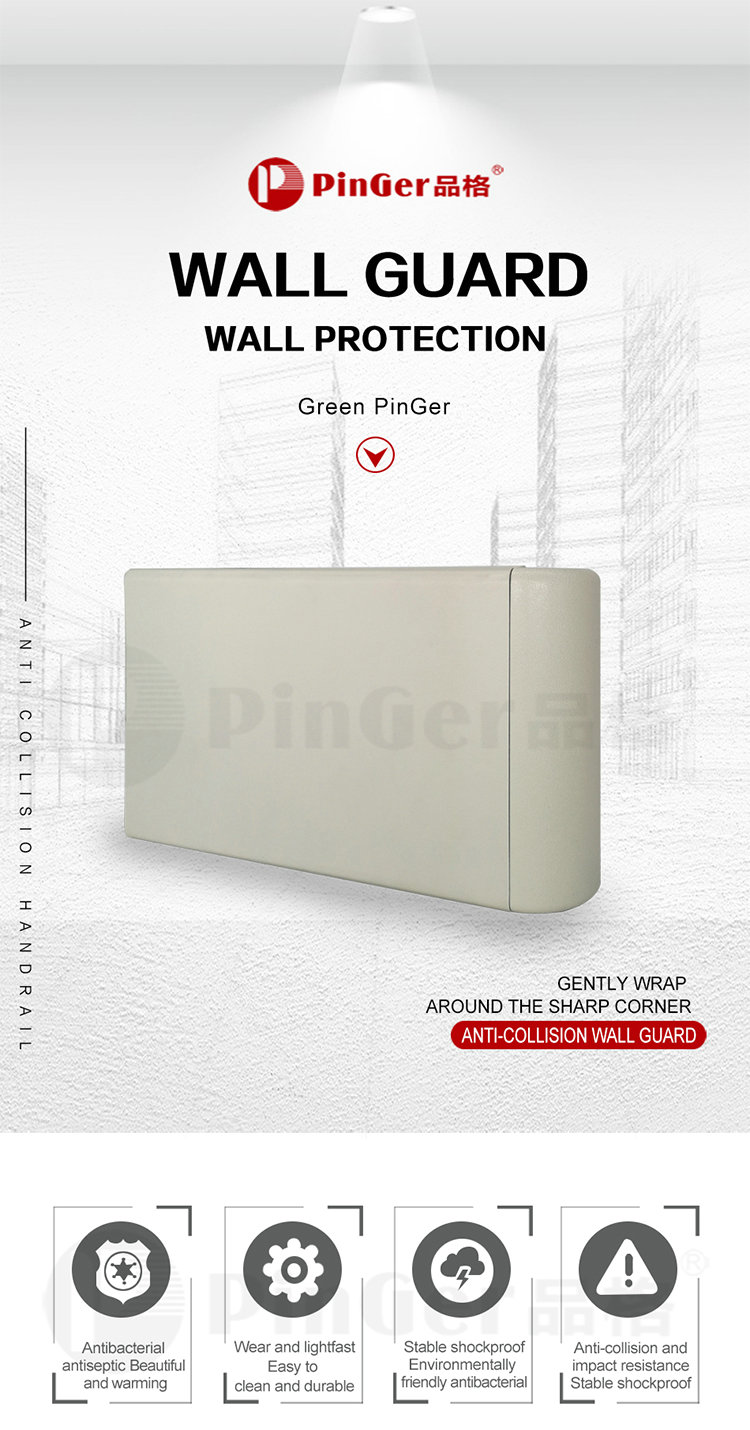
Explore the PinGer Wall Guards System for different wall guard heights and configurations.
Corner guards
Wall corners are vulnerable to repeated contact because wheelchairs and equipment often need to turn through narrow corridors and doorways. Once a corner becomes chipped or damaged, maintaining a neat appearance can become more difficult.
Vinyl or stainless steel corner guards help protect exposed edges from impact and abrasion. PinGer offers different wing widths, materials, colors, and finishes to suit different project requirements.
For example, the CG61 vinyl corner guard features a 61mm × 61mm wing width, a 90-degree angle, and a 2mm vinyl cover. Customized lengths are also available.
See the PinGer Corner Guards System for more options.
Bathroom grab bars
Bathrooms and bathing areas need carefully planned support features. Straight, L-shaped, U-shaped, and folding grab bars may be considered depending on the layout and intended use.
Grab bars should be selected according to the user's needs, wall construction, required load capacity, and local accessibility standards. They should never be treated as decorative accessories or installed without suitable structural support.
PinGer also supplies a Bathroom Safety Grab Bar System, including different grab bar configurations and shower seats.
Safety is essential, but senior living design should not make residents feel as though they are living in a hospital. The most successful interiors combine practical protection with a familiar, welcoming atmosphere.
Choose colors that support visual comfort. Strong color contrasts can help residents distinguish doors, corridors, and important architectural features. At the same time, overly bright or confusing patterns may be distracting. Soft neutrals, warm wood tones, and carefully selected accent colors are often worth considering.
Use finishes that feel residential. Wood-look vinyl wall panels and coordinated handrail finishes can make corridors and shared spaces feel warmer. A consistent material palette also helps different areas of a facility feel connected.
Keep circulation areas clear. Wall-mounted protection systems should not unnecessarily reduce corridor width or interfere with doors, furniture, equipment, or wheelchair movement. Product dimensions and mounting positions should be checked against the actual architectural drawings.
Prioritize comfortable contact surfaces. Residents may touch handrails and nearby wall surfaces frequently. Smooth, well-finished edges, suitable grip profiles, and properly installed accessories contribute to a more comfortable daily experience.
These design decisions communicate an important message: the facility is not simply built to accommodate residents' limitations. It is designed to support their independence and quality of life.
Before specifying a senior living wall protection system, project teams should review several practical details.
It is also important to review installation details before construction begins. For example, wall panels need suitable substrates and properly finished joints, while handrails and grab bars require secure fixing points. Coordinating these details early can help avoid unnecessary adjustments during installation.
PinGer focuses on wall protection and interior protection systems for healthcare, commercial, and public environments. Its product range covers several of the key components needed for senior care projects, including rigid wall panels, handrails, wall guards, corner guards, and bathroom safety accessories.
For architects, contractors, distributors, and senior living facility operators, having compatible products from one supplier can simplify product selection and coordination.
PinGer offers different materials, sizes, colors, and surface finishes to accommodate varying design requirements. Its rigid vinyl wall protection range also includes options designed around impact resistance, easy cleaning, and environmental considerations.
Rather than treating wall protection as a small finishing detail, PinGer approaches it as part of a broader interior protection solution. This makes its product range relevant to nursing homes, assisted living communities, rehabilitation facilities, and other senior care environments.
For project-specific recommendations, buyers can share architectural drawings, room layouts, product requirements, and estimated quantities with the PinGer team. This helps the supplier identify suitable product combinations and provide more relevant technical information.
What is senior living wall protection?
Senior living wall protection refers to protective products installed in elderly care facilities to reduce wall damage and support safer, more comfortable interior environments. Common products include vinyl wall panels, wall guards, crash rails, handrails, and corner guards.
Which wall protection products are most suitable for nursing homes?
A practical combination includes easy-to-clean vinyl wall panels for larger wall surfaces, wall guards for wheelchair and cart impact zones, corner guards for exposed edges, and properly installed handrails along walking routes. Bathroom grab bars should be specified separately according to accessibility requirements.
Are vinyl wall panels suitable for senior care facilities?
Yes. Suitable vinyl wall panels can provide impact resistance, easy-clean surfaces, and a range of decorative finishes. Buyers should check the exact product's material composition, fire performance, hygiene test reports, and compatibility with the facility's cleaning procedures.
Do wall guards help prevent falls?
Wall guards primarily protect wall surfaces from impact. Handrails and grab bars serve different purposes by providing gripping or support points when correctly designed and installed. Neither product should be considered a complete fall-prevention solution on its own.
How can wall protection maintain a welcoming appearance?
Choose coordinated colors, wood-look finishes, comfortable handrail designs, and protective products that blend with the interior scheme. This allows facilities to maintain practical protection without creating an overly clinical appearance.
Can PinGer provide customized wall protection solutions?
PinGer offers different product sizes, materials, colors, and finishes. Project teams can contact the company with their drawings and specifications to discuss suitable wall protection combinations and customization requirements.
What should be checked before ordering wall protection products?
Confirm the product dimensions, material specifications, fire test documentation, installation requirements, wall substrate, cleaning compatibility, and local accessibility regulations before placing an order.
Looking for wall protection products for a senior living or nursing home project? Contact PinGer to discuss your project requirements and explore suitable wall panels, handrails, wall guards, and corner protection systems.


 IPv6 Supporté en réseau
 English
 français
 Deutsch
 русский
 italiano
 español
 português
 العربية
 한국의
 Tiếng việt
 Indonesia
 中文